
史无前例!《牛津英语词典》也选不出2020的年度词汇
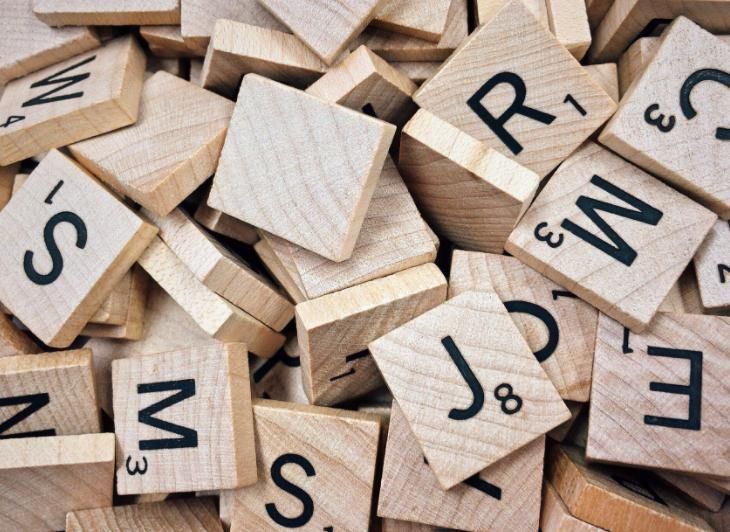
文章插图
文章插图
原文译文
*注:本文选自12月3日Times Live
Oxford Languages announces Words of an Unprecedented Year 2020
牛津词典公布2020年度词汇
1.Just like our daily lives, the English language hasundergoneenormous change over the past year, adapting rapidly and repeatedly to world events. Words that 12 months ago we couldn’t have imagined ourselves using are now part of the everyday lexicon. The Words of an Unprecedented Year report allows the team at Oxford Languages to share the evidence-based data we have at our fingertips to track and analyse the unfolding story. While we all hope for more stability next year, recording and analysing new words and their uses offers unique insight into understanding the current situation andnavigatingthese “unprecedentedtimes”.
过去的这一年,我们的生活发生了很大变化,为适应这个变化万千的世界,英语也发生了巨大的变化。那些12个月前我们想都没想到的词汇现在成了我们生活的一部分。《史无前例的2020年度词汇》报告中,牛津语言团队向大家分享了2020年的词汇数据。我们都希望明年能更稳定一点,分析和记录这些新词及其用法有助于我们更好理解当前的形势,也能为我们更好地应对这前所未有的时代带来一些启迪。
2.Previously, the Oxford Word of the Year has been selected as a word or expression shown through usage evidence to reflect theethos, mood, orpreoccupationsof the past 12 months, and to have potential as a term of lasting cultural significance. Using this as a starting point for considering the themes that have dominated 2020, there’s perhaps only one place to begin.
之前,牛津年度词汇是通过词汇使用来反映过去一年的社会风气,使用证据来反映过去12个月的社会环境和社会焦点,有的词汇甚至能成为具有持久文化意义的词汇。这可能就是讨论2020年的年度话题的一个开端。
THE LANGUAGE OF COVID-19
新冠语言
3.Dating back to the 1960s, coronavirus was previously mainly used by scientific and medicalspecialistsbut, by April 2020, it had become one of the most frequently used nouns in the English language,exceedingeven the usage of the word time. By May, it had beensurpassedby Covid-19.
20世纪60年代,” 冠状病毒”这个词主要出现在科学和医学界,就但到2020年四月,这个词却成为英语中使用最频繁的词汇之一,其使用频率甚至超过了“时间”一词。到今年五月,” 新冠病毒”的使用频率已经超过了“时间”一词。
4.The arrival of the pandemic (a word which has seen usage increase by more than 57,000% this year) hasundoubtedlybrought with it a language of its own,revitalisingexisting words and introducing us to new ones. Depending on where you are in the world, you may have experienced a circuit breaker, lockdown, or have been asked to shelter-in-place, all words that saw huge increases in usage from March. Many of us formed support bubbles or pods, started to wear face masks or face coverings, and became familiar with calling medics, delivery drivers, and supermarket staff key workers,frontliners, or essential workers.
“疫情”一词,今年的使用频率上升了五倍不止。毫无疑问,疫情带来了一种新的语言,给语言带来了新的活力,也为我们带来了新的词汇。无论你在何地,你都有可能经历封路,封锁,就地避难等等,所有这些词汇的使用频率从今年3月份开始都大幅增加。我们中的很多人都开始建立自我保护机制,开始戴口罩,并慢慢将医务工作者,快递员,超市员工等视为一线工作者和重要工作者。
TECHNOLOGY & REMOTE WORKING
科技&远程办公
5.The pandemic has also sparked a revolution in our working habits. Two words that have seen more than a 300% usage growth since March are remote and remotely. Got a meeting? Best ensure you are noton mute(along with unmute, this has seen a significant rise in usage this year). Need a change of scene? Take aworkation(a holiday in which one also works) or book astaycation, holidaying at home or in your home country. Both words have seen increase in usage, almost 500% and 380% respectively.
疫情还引发工作习惯的革命。“远程”和“远程地”这两个词的专用频率自三月以来增长了3倍多。要开会?请先确定你没有开静音?(和“解除静音”一样,“静音”这个词今年的使用频率也有了明显提升。)想换工作环境?来一个工作假期吧——边工作边度假。你也可以选择宅家度假。这两个词的使用频率分别上升了5倍和3.8倍。
SOCIAL MOVEMENTS, SOCIAL MEDIA & POLITICS
社会运动,社交媒体&政治
6.Despite ourinabilityto gather in large numbers in 2020, the year saw a surge in demonstrations and activism that is reflected in our language. In June, Black Lives Matter, and theabbreviatedBLM, surged in usage and their use has remained high since. Use ofconspiracytheory has almost doubled between October 2019 and October 2020 and use of the term QAnon has increased by a massive 960% over the same period. Which brings us to the language of politics. While the early months of the year saw large peaks in the usage ofimpeachmentandacquittal, the latter has been dominated by words such as mail-in (which has seen an increase of 3,000% compared to 2019). And what goes up must come down ... Brexit saw an 80% reduction in usage this year.
2020年我们没法大规模集会,但是,这一年的示威游行活动却大幅增加,我们的语言中对此也有所反应。今年6月,“Black Lives Matter” (BLM)的使用频率激增,此后就一直居高不下。2019到2020年间,“阴谋论”一词的使用频率翻了一番,而 “匿名者Q”一词的使用频率上升了9.6倍。政治语言也是如此。今年头几个月,“弹劾”和“无罪释放”的使用率达到高峰,而与“无罪释放”一词紧密关联的“邮寄”一词使用频率也比2019年增加了30倍。有升必有降,今年“脱欧”一词的使用频率下降了80%。
THE ENVIRONMENT
环境
7.The pandemic has meant that climate change has not received nearly the amount of media coverage it has in previous years. However, precisely because of Covid-19, we have seen the introduction of a new word -anthropause, referring to the global slowdown of travel and other human activity and thesubsequentwelcome consequences, such as adecreasein light and noise pollution.
此次疫情也使得气候变化的媒体报道大大减少。然而,正是由于“新冠病毒“一词,我们得以认识一个新词,即” 人类活动暂停“,指的是全球人类活动放缓以及随之而来的光线和噪音污染减少。
8.Casper Grathwohl, president, Oxford Dictionaries, says, “I’ve never witnessed a year in language like the one we’ve just had. The Oxford team was identifying hundreds of significant new words and usages as the year unfolded, dozens of which would have been a slam dunk for Word of the Year at any other time. It’s both unprecedented and a little ironic - in a year that left us speechless, 2020 has been filled with new words unlike any other.”
牛津词典主席Casper Grathwohl说:“我从没见过哪一年语言的变化和今年一样剧烈。2020年,牛津语言团队发现了数百个重要新词和用法,其中几十个在其他一年都可能成为年度词汇。这是前所未有的,同时也有一点讽刺,在这个我们无法言说的年份,产生了如此多的新词。”
文章插图
精读解析
篇章结构
P1—P2:牛津语言团队发布2020年度新词.
P3—P4:与新冠有关的词及其使用频率。
P5:科技相关新词。
P6:社会运动及政治相关新词。
P7:环境相关新词。
P8:总结:牛津词典主席Casper Grathwohl:在2020这个难以言说的年份,却出现了如此多的新词。
重点单词
undergo/?nd?'g??/ vt. 经历,经受;忍受
【例句】
The body undergoes many changes during puberty.
身体在青春期期间会发生许多变化。
unprecedented/?n'pres?dent?d/ adj. 前所未有的, 无前例的
【例句】
The air crash caused an unprecedented number of deaths.
这次空难的死亡人数是空前的。
navigate/'n?v?ge?t/ v. 航行于;驾驶,操纵;使通过
【例句】
The compass is an instrument of navigation.
罗盘是导航仪器。
ethos/'i?θ?s/ n. (个人或团体的)气质,精神特质;思潮
【例句】
The ethos are taken is in a downward spiral.
西班牙人这里没有工作的民族士气正处于向下的螺旋通道中。
preoccupation/pr?,?kj?'pe??(?)n/ n. 全神贯注,入神;当务之急;使人全神贯注的事物
【例句】
Their chief preoccupation was how to feed their families.
他们关注的首要事情是如何养家糊口。
specialist/'spe?(?)l?st/ n. 专家, 行家;专科医生
【例句】
She’s a specialist in canine psychology and behaviour.
她是个心理和行为专家。
exceed/?k'si?d/ vt. 超过; 超越
【例句】
The results of the competition exceeded our expectations.
比赛的结果比我们预料的好。
surpass/s?'pɑ?s/ vt. 胜过,优于;超越;非…所能办到或理解
【例句】
The beauty of the scenery surpassed my expectation.
该处风景之秀丽超出我的预料。
undoubtedly/?n'da?t?dl?/ adv. 毋庸置疑地,的确地
【例句】
These new restrictions on medical research will undoubtedly put the clock back (by) 20 years.
这些新禁令将会毫无疑问使医学研究倒退到20年前的状态。
revitalize/ri:?va?tl?a?z/ vt. 使恢复元气,使具有新的活力
【例句】
The revitalized team came from the cellar to win the pennant.
恢复元气的球队从末名直升到赢得冠军
Frontliner一线工作人员
on mute静音
【例句】
What looked legit at first (if you had you T.V. on mute you’d think as much) might actually be a prank on viewers.
节目刚开始看起来一切正常(你要是把电视静音了你会一直认为还挺正常的),其实这都是给观众安排好的恶作剧。
Workation=work vacation工作假期
Staycation=stay vacation度假
inability/?n?'b?l?t?/ n. 无能,无力
【例句】
Her despondency arises from her inability to find employment.
她之所以意志消沉是因为她无法找到工作。
abbreviated/?'bri:vi,eitid/ adj. 简短的,仅可蔽体的,小型的
abbreviatevt. 使简短,缩简,缩略;使用缩写词n. 使用缩写词的人
【例句】
The United States of America is commonly abbreviated to U.S.A..
美利坚合众国常被缩略为 U.S.A.。
conspiracy/k?n'sp?r?s?/ n. 阴谋, 密谋
【例句】
She was convicted on an indictment for conspiracy.
她被控以共谋罪,罪名成立。
impeachment/?m?pi:t?m?nt/ n. 控告;检举;弹劾;怀疑
【例句】
If substantiated, the allegations could trigger impeachment proceedings.
如果上述指控得到证实,则会触发弹劾流程。
acquittal/?'kw?t?l/n. 宣告无罪;(义务、职责等的)履行;尽职; (债务等的)清偿
【例句】
So we've had exactly two impeachments both of which resulted in acquittals.
显然我们有过两次都被判无罪的弹劾历史。
anthropause人类活动暂停
subsequent/'s?bs?kw(?)nt/ adj. 随后的, 继…之后的
【例句】
The day subsequent to your visit he died.
你探望后的第二天, 他便去世了。
decrease/d?'kri?s/ n. 减少,减小;减少量v. 减少,减小
【例句】
There has been some decrease in imports.
进口货物有所减少。
- THE END -
【史无前例!《牛津英语词典》也选不出2020的年度词汇】坚持就会有收获!
- 李宇春《年轻气盛》歌词满分!毕业季真的不能没有毛不易胡夏
- 《王牌对王牌》导演吴彤发文恭喜宋亚轩,节目里的情谊向外延伸
- 根据《企业所得税法》的规定,以下适用于25%的税率的是
- 苏轼春江晓景的古诗分享 春江晓景的古诗
- 4年过去,《偶像练习生》没出道的11名选手,现在怎么样了?
- 九霄寒夜暖 刘特 九霄寒夜暖刘特
- 2020年二级建造师《建筑实务》真题及答案,二级建造师施工管理试题及答案
- 文字版 2017年二级建造师管理真题及答案,2020年二级建造师《建筑实务》真题及答案
- 《百家姓》中的“卞”姓的来源是什么? 卞姓怎么取名
- 1 福建专升本《大学语文》课后答案分享(福建专升本的大学有哪些)